How Global Skincare Brands Expand Into New Countries: A Case Study of RIMAN (2026 Analysis)

A market-structure analysis explaining how global skincare brands expand internationally, using RIMAN’s 2026 rollout model as a real-world example.
Introduction
Global skincare brands rarely launch in every country at once.
Instead, expansion typically occurs through structured, phased activation — involving regulatory approval, localized logistics, pricing adaptation, and platform infrastructure development.
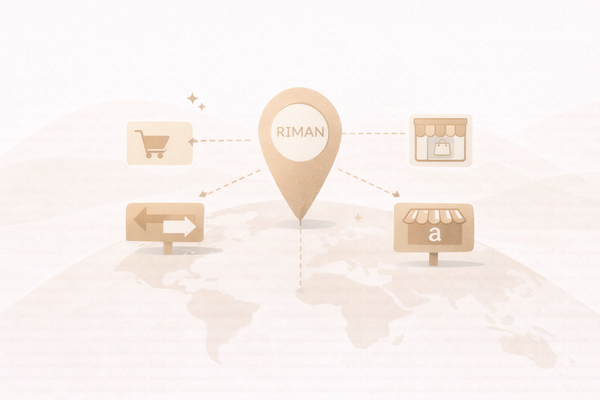
RIMAN provides a clear example of how a modern Korean skincare brand expands internationally without relying on a single centralized global website.
This article explains:
- Why brands expand country-by-country
- How phased rollout models work
- Why pricing differs across regions
- Why registration systems are localized
- What consumers should understand about expansion timing
1️⃣ Why Global Skincare Brands Avoid a Single Worldwide Store
Many consumers assume international brands operate through one global retail platform.
In reality, large-scale skincare expansion involves:
- Country-specific compliance regulations
- Local labeling requirements
- Ingredient registration approvals
- Import taxation structures
- Currency localization
- Domestic fulfillment networks
Operating one universal store would ignore these legal and logistical realities.
As a result, most expanding skincare brands build region-based systems rather than global storefronts.
2️⃣ The Phased Market Activation Model
Modern skincare expansion often follows this sequence:
Stage 1 — Market Interest & Education
Brand awareness grows organically through community exposure and international content.
Stage 2 — Pre-Launch Preparation
- Regulatory review
- Infrastructure planning
- Registration system development
Stage 3 — Localized Platform Activation
- Country-specific website
- Local currency pricing
- Domestic fulfillment setup
Stage 4 — Structured Participation Model (Optional)
Some brands activate planner or distributor systems depending on their business model.
RIMAN’s 2026 expansion roadmap reflects this phased approach across Europe and Latin America.
3️⃣ Why Pricing Differs by Country
Consumers often notice that prices vary between markets.
Pricing differences typically reflect:
- Import duties
- Local warehousing costs
- Currency exchange
- Domestic tax structures
- Infrastructure investment
This explains why a product priced in one region may not match pricing in another.
Global expansion does not imply uniform global pricing.
4️⃣ Why Registration Systems Are Often Required
In certain markets, account registration is required before:
- Viewing pricing
- Placing orders
- Accessing planner participation
This structure allows brands to:
- Localize user accounts
- Track domestic logistics
- Align pricing with regional compliance
- Structure participation models where applicable
Registration-based systems are common in regionally activated expansion frameworks.
5️⃣ RIMAN as a Case Study (2026)
RIMAN’s international structure demonstrates several modern expansion characteristics:
- No single global retail website
- Country-specific activation
- Phased European rollout
- Latin America expansion staging
- Optional planner participation depending on market
Rather than launching everywhere simultaneously, markets are activated independently based on readiness.
This approach reduces regulatory risk and supports sustainable infrastructure growth.
6️⃣ Why Expansion Timing Varies
Activation timing depends on:
- Regulatory approval processes
- Infrastructure readiness
- Domestic logistics
- Market demand
- Compliance verification
Therefore, expansion does not occur simultaneously across regions.
Consumers researching availability should always verify status through official regional platforms.
7️⃣ What Consumers Should Understand
When researching international availability:
- Online content may reflect other countries
- Pricing may differ regionally
- Registration systems may vary
- Planner participation is often optional
- Activation timelines may evolve
Understanding this structure reduces confusion when encountering mixed information online.
🔗 Related Global Resources
For country-specific availability guides, see:
👉 RIMAN Skincare Worldwide (2026 Global Guide)
👉 RIMAN Expansion 2026 Overview
Country-specific expansion pages provide localized context for readers researching availability in individual markets.
Conclusion
Global skincare expansion is a structured process rather than a simultaneous worldwide launch.
RIMAN’s 2026 international rollout illustrates how modern brands activate new markets through phased, region-specific systems.
Understanding this model helps consumers interpret availability, pricing differences, and registration requirements more clearly.
Independent Information Notice
This article is provided for informational and analytical purposes only.