How Layered Skincare Routines Help Calm Redness and Support Skin Recovery

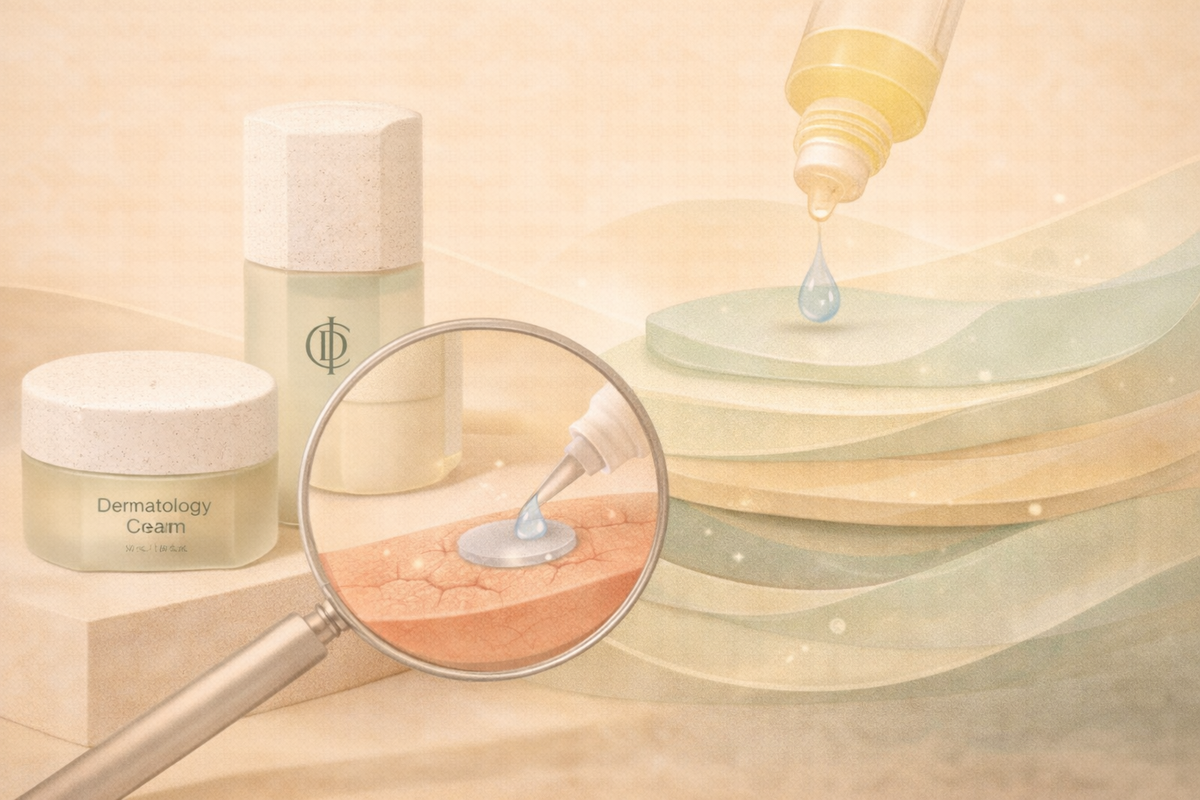
Skin redness, irritation, or sensitivity after skincare is a common concern — and it is often misunderstood.
Many people assume the problem comes from a specific product. In reality, redness is more frequently linked to how a skincare routine is structured, rather than which brand or item is used.
This article explores how layered skincare routines support skin balance and recovery, why gentle sequencing matters, and how intentional routine design can reduce irritation over time.
This is an independent, educational discussion intended to explain skincare principles — not to promote or sell products.
When Skincare Causes Redness, What’s Really Happening?
Redness after skincare is often a sign that the skin barrier is under stress.
The skin barrier plays a critical role in:
- Retaining moisture
- Protecting against environmental irritants
- Regulating skin comfort and resilience
When the barrier is compromised, the skin may react more easily — even to products it previously tolerated well. This can happen due to:
- Over-cleansing or harsh cleansing methods
- Too many active ingredients layered incorrectly
- Rapid routine changes
- Inconsistent hydration
- Skipping daily protection such as sunscreen
In these cases, the issue is rarely a single product. It is more often the overall routine design.
Why Routine Structure Matters More Than Individual Products
Well-designed skincare routines follow a clear logic:
- Cleanse without stripping
- Rehydrate gradually
- Support the barrier
- Protect consistently
When steps are rushed, skipped, or overly aggressive, the skin barrier has little chance to recover.
Layered routines — commonly associated with Korean skincare philosophies — aim to work with the skin, not force rapid results. The focus is on:
- Texture progression
- Hydration balance
- Consistent daily habits
Over time, this approach can help reduce visible redness and improve overall skin tolerance.
The Three Functional Phases of a Barrier-Friendly Routine
Rather than thinking in terms of individual products, it is more helpful to understand routines by function.
1. Gentle Cleansing Without Barrier Disruption
Effective cleansing removes impurities while respecting the skin’s natural oils.
Barrier-friendly routines typically use:
- An oil-based cleanse to dissolve sunscreen and surface impurities
- A gentle secondary cleanse to refresh the skin without abrasion
This approach reduces friction and avoids the tight, stripped feeling that often contributes to irritation.
2. Layered Hydration as Barrier Support
Hydration is not a single step — it is a process.
Layered hydration works by:
- Introducing lightweight moisture first
- Gradually sealing it in with richer textures
This creates a hydration gradient that helps the skin retain water more effectively. Proper hydration can:
- Reduce redness linked to dryness
- Improve skin comfort
- Support barrier recovery
In barrier-focused routines, hydration layers are often prioritised over strong actives.
3. Protection and Consistency
Barrier recovery depends on daily protection, not occasional treatments.
Sun exposure, temperature changes, and pollution all contribute to ongoing barrier stress. A routine that supports recovery must also include:
- Daily UV protection
- Consistent morning and evening care
Protection is not separate from repair — it is part of it.
Using Structured Routines as Practical Examples
Many modern skincare systems reflect this three-phase structure.
For example, routines such as the RIMAN Signature Ritual are often discussed as illustrations of:
- Cleanse → Hydrate → Protect sequencing
- Layered hydration logic
- Consistency-focused skincare habits
The value of these routines lies not in individual products, but in the order, balance, and intention behind the steps.
What to Expect When Following a Barrier-Focused Routine
Barrier recovery is gradual. Improvements are usually seen in:
- Reduced reactivity
- Less frequent redness
- Improved skin comfort
- More stable response to skincare
Rather than dramatic overnight changes, the goal is long-term skin stability.
Consistency matters more than intensity.
Related Reading on Skincare Routine Design
If you’re exploring how routine structure affects skin comfort and recovery, the following articles provide deeper context on specific aspects of barrier-friendly skincare:
- Why adding more skincare steps can sometimes increase irritation rather than improve results
- How over-complicated routines contribute to skin sensitivity
- Why preparatory steps play an important but often misunderstood role in layered routines
Final Thoughts
When redness appears after skincare, the solution is often not to add more products — but to simplify, restructure, and slow down.
Understanding skincare routines as systems — rather than collections of products — helps users make better decisions for their skin over time.
Barrier-friendly routines emphasise:
- Gentle cleansing
- Layered hydration
- Daily protection
- Long-term consistency
These principles apply regardless of brand, making them a useful framework for anyone exploring structured skincare approaches.
📌 Editorial Note
This article is part of rimanworld’s independent educational content and does not represent official brand instructions or sales guidance.