How the Skin Barrier Works: Why Routine Simplicity Matters
An educational overview of how the skin barrier works, why routine design matters, and how barrier stress can affect skin sensitivity and redness.

Introduction
The skin barrier plays a central role in how skin responds to skincare routines, environmental stress, and daily exposure. When the barrier is functioning well, skin tends to feel comfortable and resilient. When it is disrupted, reactions such as dryness, irritation, or redness become more common.
This article provides an independent, educational explanation of how the skin barrier works, why routine design matters, and how barrier stress can influence skin sensitivity. It is intended for informational purposes only.
What Is the Skin Barrier?
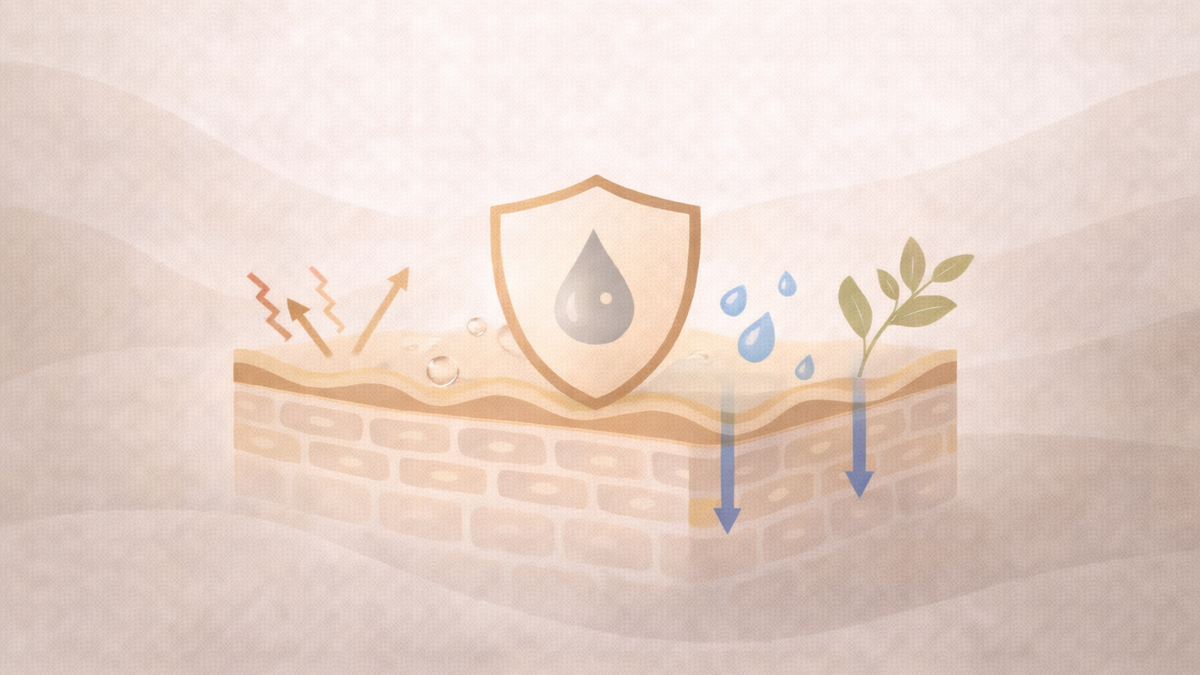
The skin barrier refers to the outermost layer of the skin, often described as a protective shield. Its primary functions include:
- Reducing water loss
- Protecting against external irritants
- Supporting overall skin stability
When this barrier is intact, skin is better able to tolerate daily skincare use and environmental changes.
How the Skin Barrier Becomes Stressed
Barrier disruption does not usually happen overnight. It often results from cumulative factors, such as:
- Over-cleansing or frequent exfoliation
- Using too many products at once
- Rapid routine changes
- Environmental stress like cold, heat, or low humidity
When the barrier is under stress, the skin may become more reactive, even to products that were previously tolerated.
Why Routine Design Matters More Than Individual Products
Many skincare concerns are linked not to a single ingredient, but to how products are used together.
Routine-related factors that influence the skin barrier include:
- Frequency of application
- Number of layered products
- Recovery time between active steps
Simpler routines often allow the barrier more time to adapt and recover.
The Skin Barrier and Sensitivity
Skin sensitivity is closely connected to barrier function. When the barrier is compromised:
- Sensory nerves may become more exposed
- Moisture loss increases
- Skin may react more strongly to normal stimuli
Because individual tolerance varies, the same routine can feel comfortable for one person and irritating for another.
Because individual tolerance varies, suitability often depends on skin sensitivity.
Readers exploring this topic may find it helpful to review
how sensitive skin may respond to skincare routines.
Barrier Stress and Visible Skin Reactions
When the skin barrier struggles to maintain balance, visible reactions may appear, including:
- Redness
- Tightness
- Discomfort after skincare
These reactions are often signals that the skin needs fewer stressors rather than stronger intervention.
For a deeper explanation of visible redness and why it can occur after skincare,
see why skincare can cause redness and how to reduce it.
Supporting the Skin Barrier Over Time
General skincare practices that may help support barrier stability include:
- Maintaining consistent routines
- Avoiding frequent product changes
- Allowing time between introducing new steps
- Observing how skin responds rather than pushing for fast results
Barrier health is usually improved gradually, not instantly.
Final Thoughts
The skin barrier is a foundational element of skin health and comfort. Understanding how routines, frequency, and cumulative stress affect the barrier can help explain many common skincare reactions.
For many people, fewer changes and greater consistency can lead to better long-term skin comfort.